A Beginner’s Guide to Single-Origin Coffee at Hidden Lantern Coffee
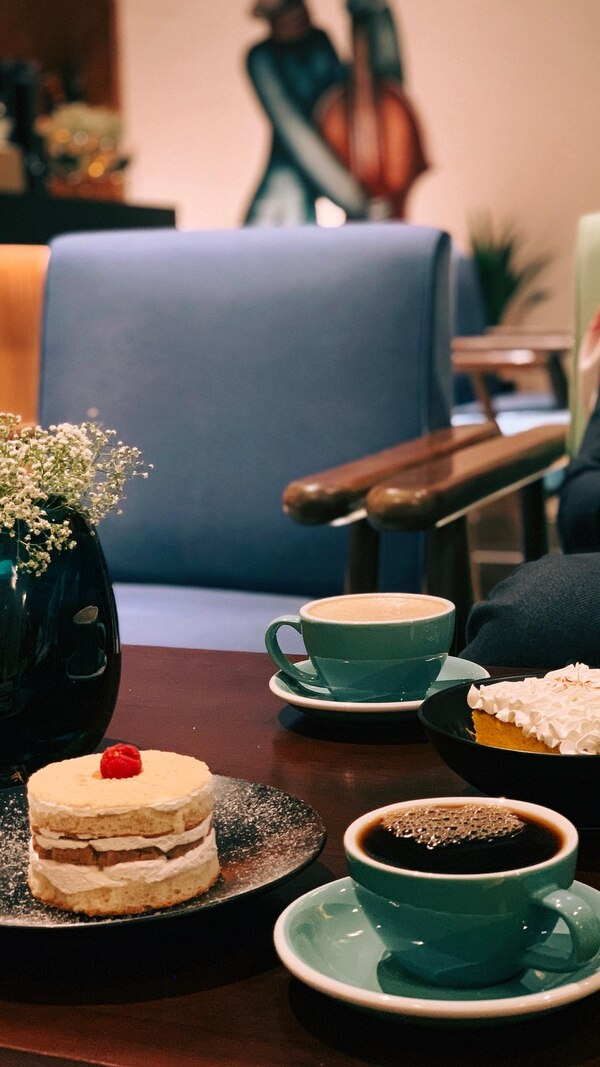
Stepping into Hidden Lantern Coffee, you might notice a board full of country names, processing methods, and tasting notes like “stone fruit,” “jasmine,” or “dark chocolate.” If that looks more like a wine list than a coffee menu, you’re already on the right track. This is the world of single-origin coffee.
If you’re new to it, this guide will walk you through what single-origin means, why it matters, and how to enjoy it—specifically in the way we approach it at Hidden Lantern Coffee.
What Does “Single-Origin” Actually Mean?
In the simplest terms, single-origin coffee comes from one identifiable source rather than a blend of beans from many regions. That “single” source can be:
- A country (e.g., “Colombia”)
- A region within a country (e.g., “Huila, Colombia”)
- A cooperative or mill
- A single farm or estate
- Sometimes even a single lot or field on that farm
The closer you get to the farm or lot level, the more specific the origin. That specificity lets you taste more of what makes that place unique—its climate, soil, altitude, and local varieties—what coffee people call “terroir.”
Why Single-Origin Coffee Matters
Single-origin isn’t just a buzzword. It changes how the coffee tastes, how it’s grown, and how it’s traded.
1. Distinctive, Traceable Flavors
Blends are designed to taste consistent year-round. Single-origins are allowed to be themselves, which means:
- More character: Bright and fruity, deep and nutty, floral and tea-like—it depends on the origin.
- Seasonality: Coffees change over the year. When the crop is gone, it’s gone, and something new appears in its place.
- Transparency: You can usually trace the coffee back to a farm or cooperative, sometimes to the producer by name.
At Hidden Lantern Coffee, that transparency is a priority. On our bags and menu, you’ll usually see the farm or cooperative name, region, altitude, and processing method, not just “Ethiopia” or “Brazil.”
2. Better Connection to Farmers
When we highlight a specific origin, we’re highlighting the people behind it. Single-origin coffees often come from:
- Direct trade relationships or trusted importers
- Smaller farms that focus on quality
- Traceable supply chains, where it’s easier to ensure fairer pay for producers
Our focus at Hidden Lantern is on partnerships where we can see how our purchasing choices support better farming practices and livelihoods. The more we know about a coffee’s journey, the better we can honor it in the cup.
3. A Chance to Explore, Not Just Consume
Single-origin coffees turn your daily cup into a tasting experience. Instead of “just a coffee,” you get:
- A snapshot of a place—its climate, varieties, and traditions
- A story of people—farmers, pickers, and producers
- A tasting adventure—you can compare countries, regions, and processes
Think of it as traveling via your mug, one origin at a time.
How Origin Affects Flavor
Many factors shape a single-origin coffee’s flavor. You don’t need to memorize them, but knowing the basics can help you choose what you like.
1. Country and Region
Different growing regions tend to have recognizable flavor profiles. These are broad generalizations, but they’re useful starting points:
- Ethiopia
- Often fruity, floral, tea-like
- Notes: berries, jasmine, bergamot, stone fruits
- Kenya
- Bright, juicy, vibrant acidity
- Notes: blackcurrant, citrus, tomato, tropical fruits
- Colombia
- Balanced, sweet, versatile
- Notes: red fruits, caramel, milk chocolate, citrus
- Brazil
- Comforting, nutty, lower acidity
- Notes: chocolate, nuts, toffee, mild fruit
- Guatemala
- Structured, sweet, often chocolatey with gentle fruit
- Notes: cocoa, orange, apple, baking spices
- Costa Rica / Central America (various)
- Clean, sweet, often caramel and citrus
- Notes: brown sugar, orange, stone fruit
Our baristas at Hidden Lantern are trained to guide you through these differences. If you tell us you enjoy “chocolatey” or “fruity,” we can point you toward origins that tend to offer those qualities.
2. Altitude
In general (with some exceptions), higher altitude = denser beans = more complexity and brightness in flavor.
- Higher altitude: more acidity, floral and fruity notes, often lighter body
- Lower altitude: more chocolatey, nutty, heavier body, softer acidity
On our menus, you’ll see altitude listed in meters above sea level (masl). This gives a hint at how lively or rich the coffee might be.
3. Processing Method
Processing is how the coffee cherry is turned into the dried seed (bean) we roast. It has a huge impact on flavor. The three main methods you’ll see at Hidden Lantern are:
Washed (Wet Processed)
- The fruit is removed before drying.
- Typical flavors: clean, bright, transparent acidity.
- Good if you like clarity and crispness.
Natural (Dry Processed)
- Cherries are dried whole with the fruit still on the seed.
- Typical flavors: fruity, jammy, sometimes winey or funky.
- Good if you want bold, fruit-forward coffee.
Honey / Pulped Natural
- Some fruit mucilage is left on while drying.
- Typical flavors: sweet, syrupy, with a balance of clarity and fruit.
- Good if you like sweetness without too much funk.
On our coffee labels, you’ll see “Washed,” “Natural,” or “Honey” clearly indicated, along with any experimental processes (like anaerobic fermentation) we’re showcasing.
How We Roast Single-Origins at Hidden Lantern Coffee
Roasting is where we choose what aspects of a coffee to highlight. For single-origin coffees, our approach is:
1. Roast to Showcase, Not to Hide
Each coffee gets its own roast profile. Our goal is to:
- Preserve origin character (fruity, floral, nutty, or chocolatey notes)
- Maintain sweetness and balance
- Avoid overwhelming the coffee with roast flavors (smokiness, bitterness)
That usually places us in the light to medium roast range, depending on the coffee. Lighter roasts often show more acidity and origin character; slightly deeper roasts can emphasize body and sweetness.
2. Dial-In for Each Brew Method
The same coffee can taste very different as espresso versus filter. At Hidden Lantern, we:
- Adjust grind size, dose, and extraction time for each coffee
- Taste regularly and recalibrate as the coffee ages
- Offer certain single-origins as espresso features and others primarily as filter (pour-over, batch brew, etc.)
You might see the same origin brewed in multiple ways on our menu. We encourage you to try it both as espresso and filter when available; it’s a great way to learn how brew method changes the experience.
Reading Our Menu Without Feeling Overwhelmed
All the details on a specialty coffee menu can be intimidating. Here’s how to quickly decode what you see at Hidden Lantern.
Typical Coffee Card or Bag Information
You’ll usually find something like:
- Country, Region, Farm/Co-op
- Producer name (if available)
- Variety (e.g., Bourbon, Typica, SL28)
- Altitude
- Processing method
- Tasting notes
If you remember only three things, focus on:
- Origin (country/region) – broad flavor style
- Process (washed, natural, honey) – clarity vs fruitiness
- Tasting notes – what you might actually perceive in the cup
You do not have to taste everything listed in the notes. They’re a guide, not a test.
Tasting Single-Origin Coffee: A Simple Approach
You don’t need special training to enjoy single-origin coffee. Here’s a very basic framework we use in our own cuppings at Hidden Lantern.
Step 1: Smell First
- Smell the dry grounds if you’re having a pour-over and the barista offers a whiff.
- Smell the brewed coffee before you sip.
Pay attention to whatever comes to mind: chocolate, fruit, flowers, spices, or just “coffee.” Naming it is less important than noticing it.
Step 2: Take Small Sips
When the coffee is very hot, you’ll mainly feel temperature and acidity. As it cools:
- Notice the flavor (chocolate, citrus, berry, nut, floral, etc.)
- Observe the body (light like tea, or heavy and creamy?)
- Consider the finish (does a flavor linger?)
At Hidden Lantern, we often suggest letting your coffee cool slightly before judging it. Many of the more delicate flavors appear at warm—not scalding—temperatures.
Step 3: Compare and Contrast
The easiest way to learn is to taste side by side. If possible:
- Try two different origins (e.g., Ethiopia vs Brazil)
- Or try one origin in two brew methods (e.g., espresso vs pour-over)
We’re happy to recommend pairs that will clearly showcase differences, so you can build a mental map of what you enjoy.
Choosing the Right Single-Origin for You
When you’re at Hidden Lantern and unsure what to order, use this simple guide. Tell us which of these categories you’re drawn to:
1. Comforting and Familiar
If you usually take your coffee with milk, or you want something cozy:
- Look for: Brazil, Guatemala, some Colombias
- Tasting notes: chocolate, nuts, caramel, brown sugar
- Best as: espresso-based drinks, batch brew, French press
2. Bright and Refreshing
If you prefer juice over hot chocolate, or you like tangy, lively flavors:
- Look for: Ethiopia (washed), Kenya, high-altitude Central America
- Tasting notes: citrus, berries, stone fruit, floral notes
- Best as: black filter coffee, pour-over, Aeropress
3. Fruity and Adventurous
If you like bold, winey, or exotic flavors:
- Look for: natural or honey-processed coffees, especially from Ethiopia or some experimental lots from Latin America
- Tasting notes: ripe berries, tropical fruit, jam, sometimes fermented notes
- Best as: pour-over, filter, exploratory espresso
4. Balanced and Versatile
If you want something in between comfort and brightness:
- Look for: Colombia, many Central American coffees
- Tasting notes: red fruit, chocolate, caramel, gentle citrus
- Best as: almost anything—great “bridge” coffees between classic and adventurous
Tell us where you fall on this spectrum, and we’ll match you with an origin that fits.
Brewing Single-Origin Coffee at Home
If you buy beans from Hidden Lantern to brew at home, a few simple practices will help you get the best from them.
1. Use Fresh, Whole Beans
- Buy whole beans and grind just before brewing.
- Aim to use them within 3–4 weeks of roast date for peak flavor.
- Store in a cool, dry place in a sealed container, away from light and heat.
2. Mind Your Ratio
A reliable starting point:
- 1:15–1:17 coffee to water ratio by weight
- Example: 20 g coffee to 300–340 g water
From there, adjust to taste:
- Too strong or bitter? Use a bit more water (or coarser grind).
- Too weak or sour? Use a bit less water (or finer grind).
3. Adjust Grind, Not Just Time
Extraction affects how the coffee tastes:
- If it’s sour, sharp, or thin – grind finer or brew slightly longer.
- If it’s bitter, harsh, or dull – grind coarser or brew a bit shorter.
If you’re using one of our single-origins at home and struggling, bring your brewing questions in. We’ll gladly help troubleshoot and recommend grind settings and recipes for your specific gear.
How Hidden Lantern Chooses Its Single-Origins
Behind every coffee on our shelf is a selection process. We look for:
- Quality: Clean, sweet, and distinctive in the cup.
- Traceability: Clear information on origin, producers, and processing.
- Sustainability: Farming practices and trade relationships that support long-term soil health and fair compensation.
- Diversity of profiles: We like to have a spectrum on offer—something chocolatey and comforting, something bright and tea-like, something fruity and experimental.
We taste many samples each season and roast test batches before deciding what to feature. The goal is to curate a menu where each coffee has a clear reason to exist—its own voice—rather than a collection of similar-tasting options.
Making Single-Origin Your Own
Single-origin coffee doesn’t have to be intimidating, precious, or reserved for special occasions. At Hidden Lantern Coffee, it’s about:
- Understanding where your coffee comes from
- Appreciating the work that went into it
- Exploring the amazing range of flavors a simple cup can offer
Whether you’re just switching from blends, or already seeking out specific farms and lots, there’s always more to discover:
- Try a new origin each visit.
- Revisit the same coffee in a different brew method.
- Taste coffees side by side with a friend.
- Ask our baristas to explain a term or suggest something based on what you like.
Single-origin coffee is a journey of attention and curiosity. We’re here to guide you through it, one cup and one origin at a time.